Why a Fall Detection Device Could Be the Smartest Investment in Senior Safety
It happens fast. One moment you are walking across the kitchen with a cup of tea, the next you are on the floor with no clear idea how you got there. For seniors living alone, a fall is not just a trip and a bruise. It is the event that can shatter independence, lead to a hip fracture, and start a slow decline that no one saw coming. I have seen this pattern repeat too many times, both in my own family and in the homes of friends. That is why I want to talk about the quiet, reliable piece of technology that can rewrite that story: a fall detection device.
New Zealand has an ageing population, and the conversation around senior safety is shifting. We are moving away from the old model where the only option was a residential care home or a daily visit from a support worker. More and more older Kiwis want to stay in their own homes, surrounded by their own things, their own routines, and their own memories. The phrase "ageing in place" gets thrown around a lot, but making it work takes practical tools. A personal emergency response system, especially one with automatic fall detection, is one of those tools.
What Makes a Fall Detection Device Different from a Basic Alarm?
A standard pendant alarm does one thing well: you press the button and it calls for help. That is fine if you are conscious, alert, and able to reach the button. But what if the fall knocks you out? What if you land on your arm and cannot press? What if the pendant ends up behind your back or under your body? In those moments, a manual button is useless. An automatic fall detection device removes that gap. It senses the impact and sudden change in motion, and it places the call for you.
I remember talking to a woman in Christchurch whose mother had a medical alert system for years. The mother fell in the bathroom at 2 a.m. and lay there until morning because she could not reach the pendant. That story does not have a happy ending. A fall detection device with automatic sensing would have changed the outcome entirely. It is not about replacing the button; it is about covering the moments when pressing the button is impossible.
How Fall Detection Technology Actually Works
There is a lot of confusion about what these devices do. Some people imagine a camera watching them. That is not how it works. Most modern units use a combination of accelerometers and gyroscopes, the same kind of sensors in your smartphone that know when you rotate it. The device learns your normal movement patterns. When it detects a sudden acceleration downward, a hard stop, and then no motion, it triggers an alert. Good systems filter out false alarms from things like dropping the device or bending over quickly.
The best designs also include GPS tracking. If your loved one is outside gardening, walking the dog, or visiting a neighbour, the device can pinpoint their location. That matters in New Zealand, where properties can be large and neighbours spread out. A pendant alarm with GPS tracking means the emergency response team knows exactly where to go, whether that is the back shed or the end of the driveway.

Family Monitoring and the Real Value of Connection
One of the biggest fears for a caregiver is not knowing. You call your parent and they do not answer. You drive over and find them fine, but the panic stays with you. A system with family monitoring changes that dynamic. It sends a notification to your phone when an alert is triggered. You can see the status, listen in through two-way calling, and decide whether to go over yourself or let the professional responders handle it.
I have a friend in Tauranga who set up a medical alert system for his father. The father lives alone and is fiercely independent. He refused to wear the pendant at first. My friend explained that it was not about taking away his freedom; it was about keeping him where he wanted to be. Now the father wears it every day. He knows that if he falls in the garden, his son will know within seconds. That peace of mind flows both ways.
Two-way calling is a feature that often gets overlooked until you need it. When the alert goes out, the response centre can talk directly through the device. They can ask, "Are you okay?" and hear the answer. If the person is confused or cannot speak clearly, that information gets passed to the caregiver. It is a human touch in a technological system, and it makes a difference.
No Monthly Fees and the Economics of Safety
The cost of a fall goes far beyond the device. A single hip fracture can lead to surgery, rehabilitation, home modifications, and possibly long-term care. The financial toll is enormous, and the emotional toll is even heavier. Yet many seniors hesitate to buy a fall detection device because they worry about ongoing costs. That is where the model of no monthly fees becomes important. You pay once for the hardware, and it works. There is no subscription, no hidden charge, no bill that arrives every month.
Familyr offers exactly that structure. Their personal emergency response system comes with no monthly fees. For a retiree on a fixed income, that is a huge relief. You are not signing up for a perpetual expense. You are buying a piece of equipment that will last for years and do its job without asking for more money. It is the kind of straightforward deal that makes senior safety accessible to more people.
Practical Considerations: Waterproofing, Battery Life, and Wearability
A fall detection device is only useful if you wear it. That sounds obvious, but I have seen countless units sitting in a drawer because the person found them uncomfortable, ugly, or annoying. The best devices are lightweight, small, and designed to be worn as a pendant alarm around the neck or clipped to a belt. Some people prefer a wristband. The key is that it stays on the body.

Waterproofing matters more than you might think. Bathrooms are where a lot of falls happen. The floor is wet, the surfaces are hard, and there is often no one around to hear a shout. A waterproof alarm that can handle a shower or a bath is not a luxury; it is a necessity. Check the IP rating before you buy. Look for something rated for immersion, not just splash resistance.
Battery life varies widely. Some devices need charging every few days, which becomes another chore for an older person to remember. Others run for weeks or months on a single charge. A wearable device that demands constant charging is bound to end up on the bedside table instead of around the neck. Look for a unit with at least a few weeks of battery life, and ideally one that gives a low-battery warning to both the wearer and the family monitoring app.
Elderly Fall Prevention: More Than Just a Device
A fall detection device is a safety net, not a cure. It catches you after you fall. But the best approach to elderly fall prevention combines the device with other practical steps. Remove loose rugs. Improve lighting in hallways and stairs. Install grab bars in the bathroom. Encourage regular exercise that builds balance and strength. The device works alongside those measures.
I have seen families do everything right: they declutter the house, add handrails, and buy non-slip mats. Then they skip the personal emergency response system because they think they have covered all the bases. But a fall can still happen. A moment of dizziness, a misplaced step, a patch of ice on the path. The device is the backup that ensures help arrives within minutes, not hours.
Choosing the Right System for Your Family
Every family is different. Some want 24/7 monitoring with a professional call centre. Others prefer a system that only alerts family members. Some need GPS tracking because their loved one walks the dog every morning. Others just need a simple pendant alarm that works inside the home. The right choice depends on the person's lifestyle, health, and living situation.
If you are evaluating options, start with the basics. Does the device have automatic fall detection? Is it waterproof? Does it offer two-way calling? Can the family monitor alerts on a smartphone? Is there a monthly fee or is it a one-time purchase? Answer those questions and you will narrow the field quickly. The device that checks all those boxes is the one worth buying.
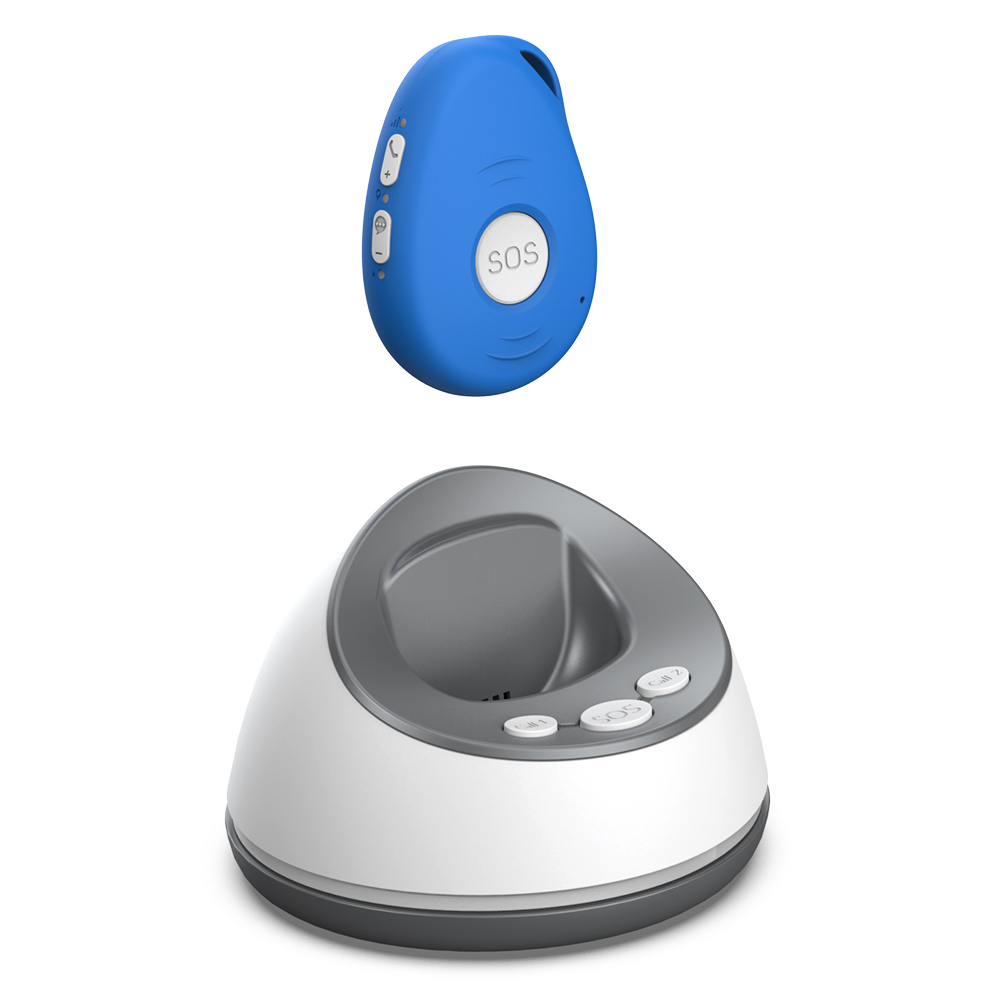
I have watched the technology improve over the years. Early models were bulky, unreliable, and prone to false alarms. Today's fall detection technology is refined and accurate. It is integrated with GPS tracking, two-way calling, and family monitoring in a way that makes it genuinely useful. A good personal emergency response system is not a piece of medical equipment. It is a tool for living. It lets an older person get up in the morning knowing that if something goes wrong, someone will know. That confidence is worth more than the price tag.
If you are a caregiver, have the conversation now. Do not wait for the fall to happen. The device is not about admitting frailty. It is about staying in control. It is about choosing to be safe rather than hoping to be lucky. For anyone in New Zealand looking after an ageing parent, grandparent, or neighbour, a fall detection device is one of the most practical gifts you can give. It is a small piece of hardware that holds a huge amount of peace of mind.